A dashboard is becoming a service
Traditional wearables counted steps and displayed heart rate. New systems combine sleep, activity, cardiovascular and respiratory signals with personal history, questionnaires and other records. The product value shifts from showing a number to explaining whether a change is meaningful for this individual.
Continuous context is the key asset
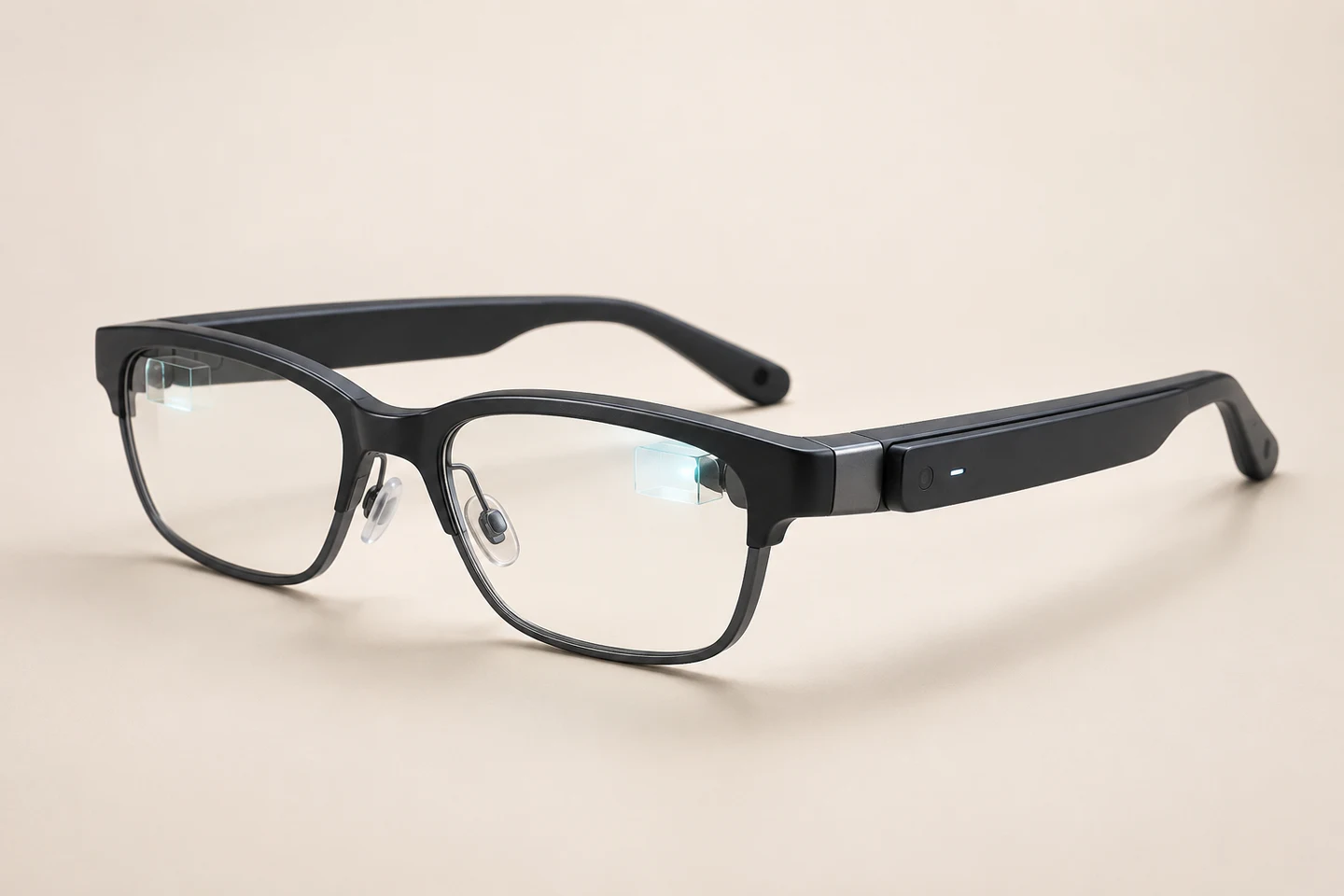
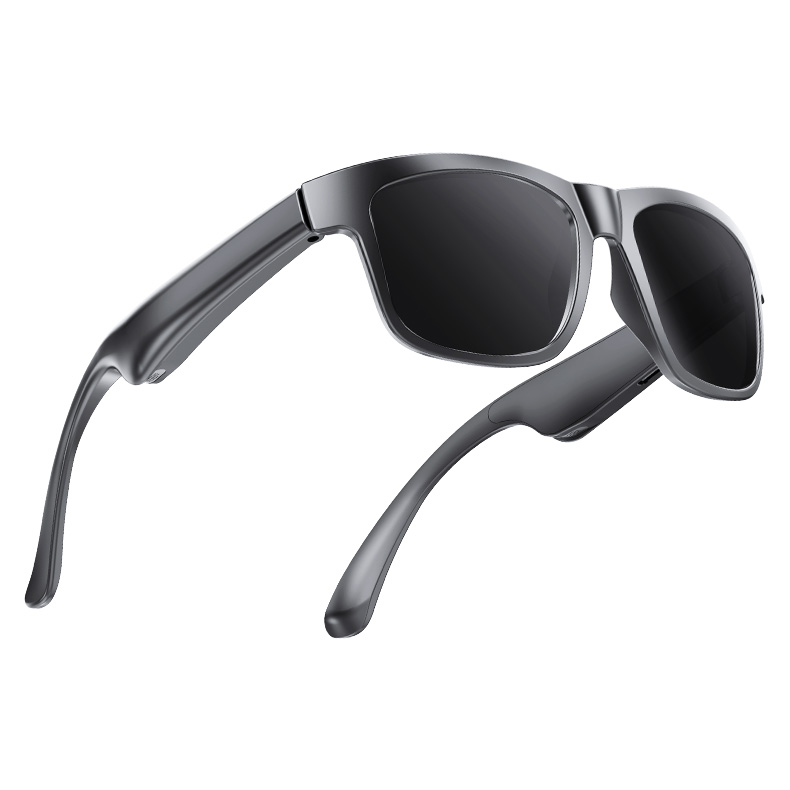
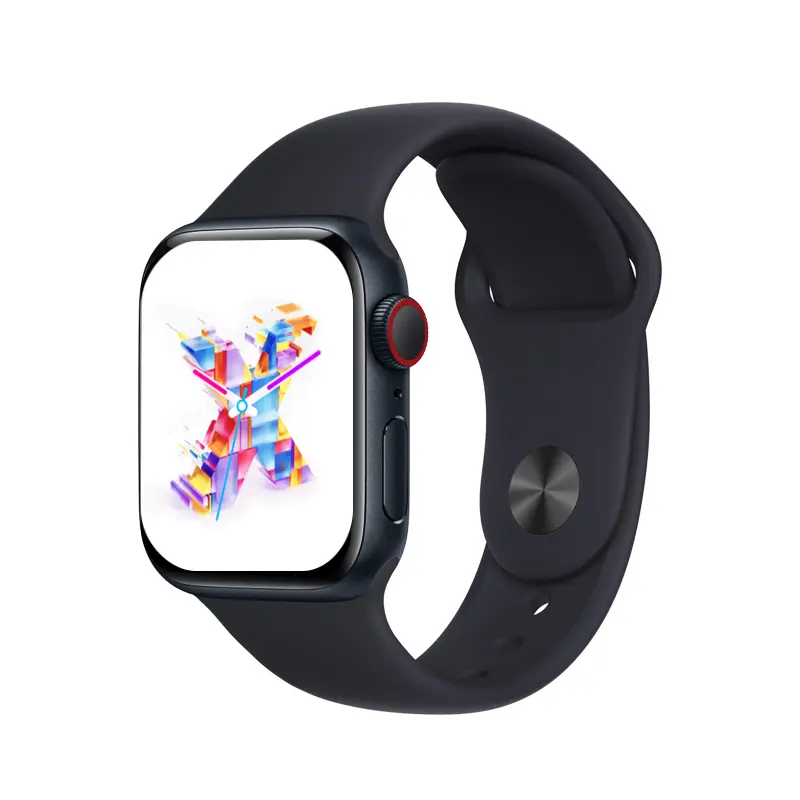
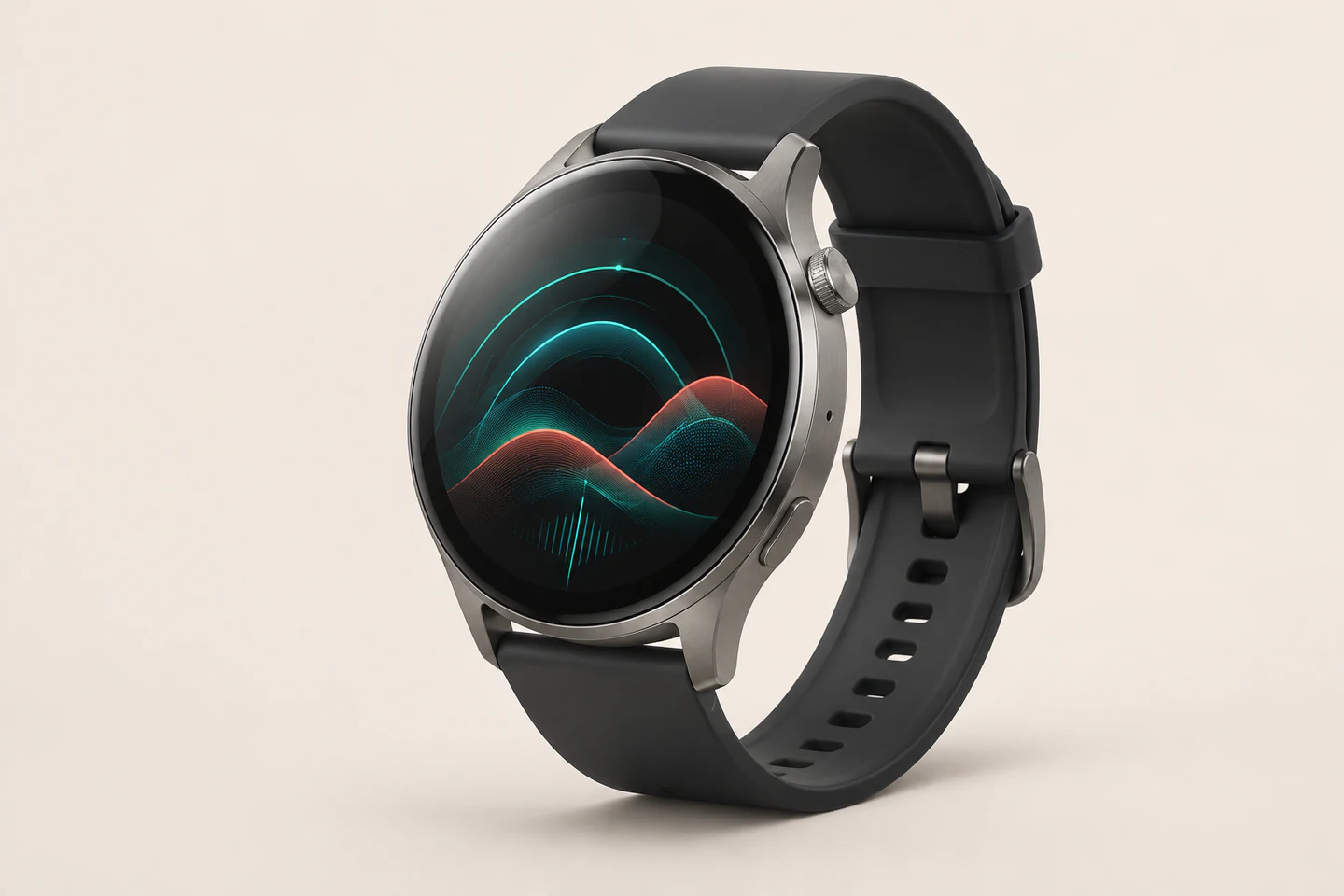
Xinhua reported a 2026 active-health system that integrates signals from watches, bands and ambient radar with examination records and lifestyle information. The important idea is not one specific model: wearables become one layer in a broader personal health picture, able to support ongoing observation rather than a single measurement.
Good intervention design avoids alarm fatigue
A proactive service should surface only patterns that deserve attention, explain the confidence and suggest an appropriate next step. Too many alerts train the user to ignore the device. Escalation language also matters: wellness guidance, risk indication and regulated medical advice are different product levels.
What manufacturers must validate
Sensor performance is only the start. Teams must test data gaps, changes in wearing position, skin tone, motion artifacts, app synchronization and the behavior of the insight engine when confidence is low. Privacy, deletion and clinician handoff need the same product ownership as battery and display.