From pilot builds to repeatable production
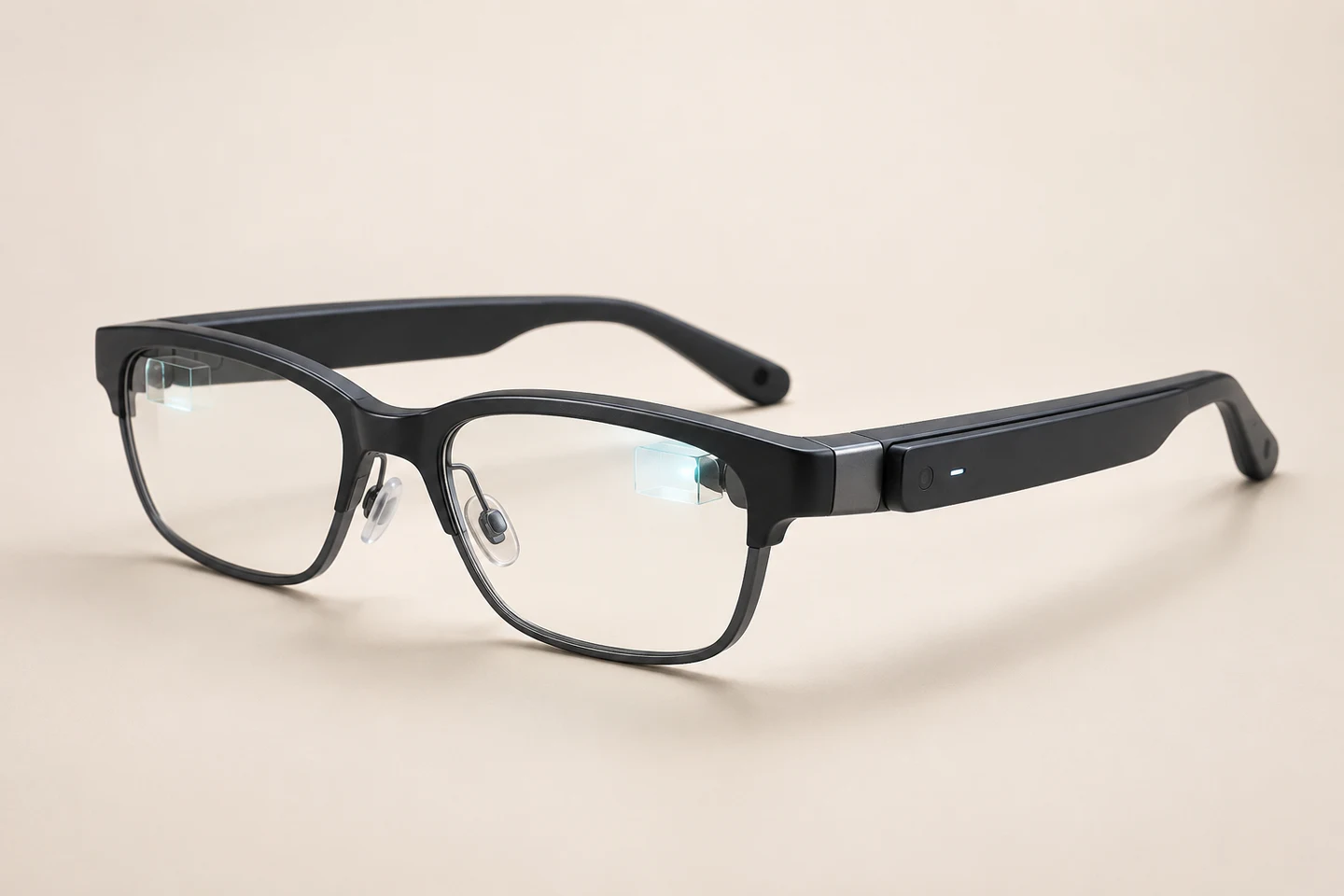
AI glasses combine eyewear tolerances with consumer-electronics assembly. A prototype can look convincing even when lens alignment, antenna placement or acoustic leakage varies from unit to unit. Volume readiness therefore depends on documented fixtures, controlled workstations and measurable acceptance limits. Buyers should ask how the ODM controls incoming frames, optical modules, hinges, batteries and flex cables across multiple lots.
Automation helps only when the process is measurable
Automated dispensing, micro-soldering and optical inspection can reduce variation, but the equipment name is not proof of yield. The useful evidence is a stable first-pass yield, a defined rework route and traceable inspection data. For camera or display models, alignment and contamination controls should be reviewed separately from ordinary cosmetic inspection.
The frame is part of the electronics system
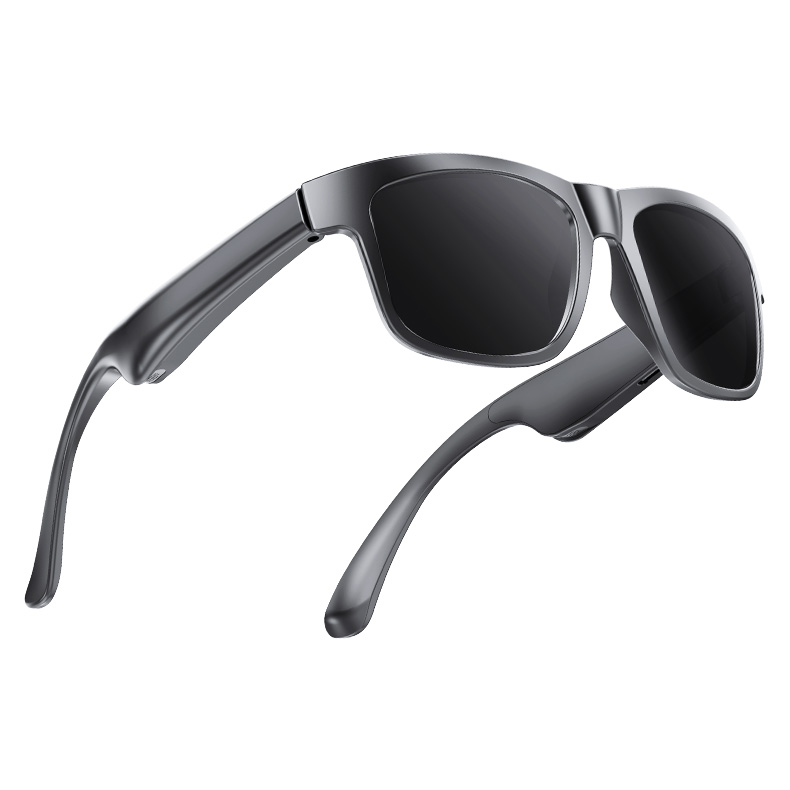
Temple width, hinge torque and heat distribution affect comfort as much as total weight. Antennas, microphones, speakers and batteries also compete for the same narrow space. A sourcing specification should freeze mechanical drawings, critical dimensions and the tested component stack before tooling approval.
Firmware and localization must be production-ready
White-label programs need more than a logo. Confirm companion-app ownership, supported languages, OTA behavior, privacy indicators, account recovery and the response when the phone or network is unavailable. These items should be tested on production-intent hardware.
Buyer verification checklist
- Request yield and reliability data from a representative pilot lot. - Test hinge cycling, sweat exposure, charging heat and all-day comfort. - Verify camera or microphone indicators and regional privacy settings. - Freeze firmware, app, packaging and optical configuration in the approval sample.