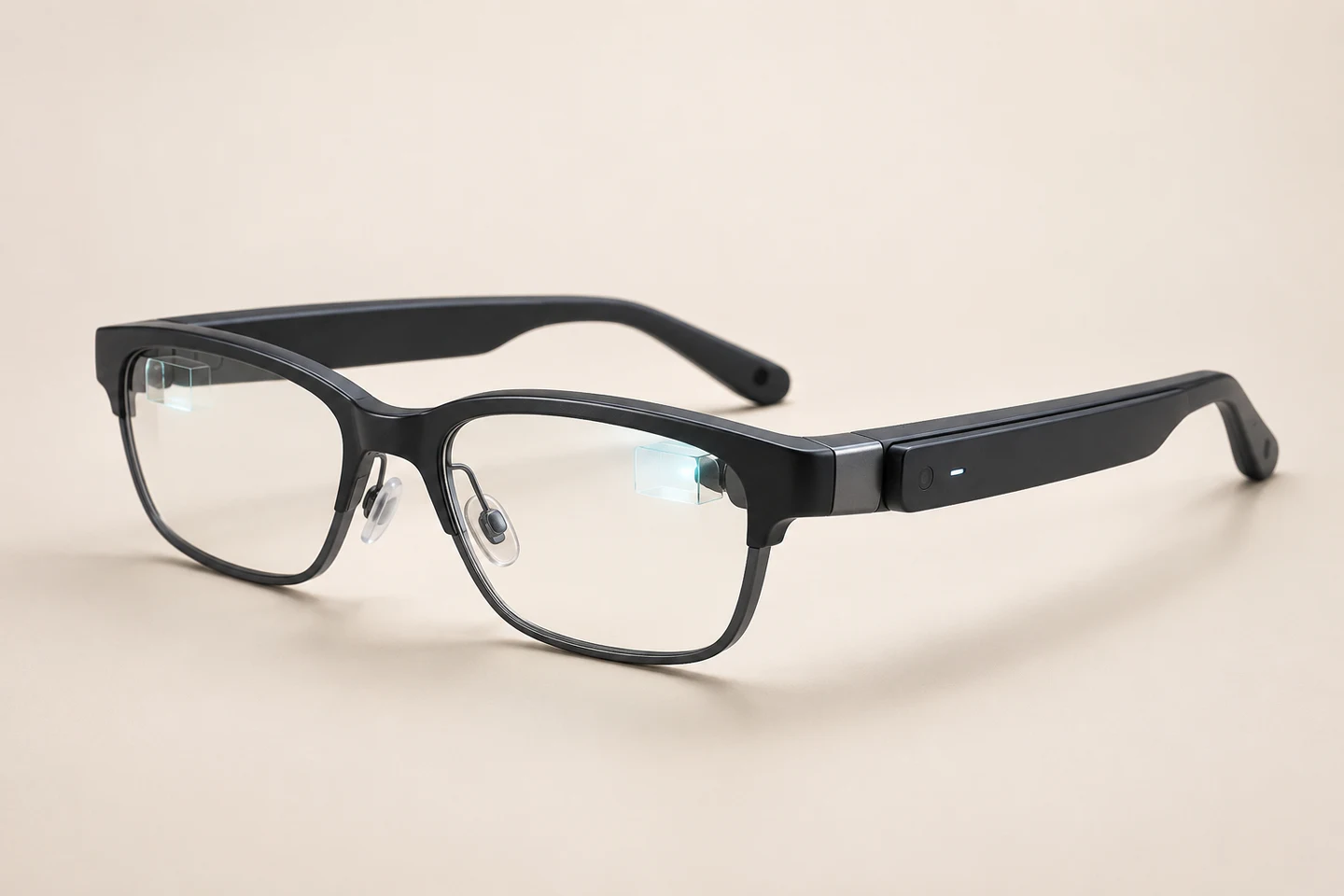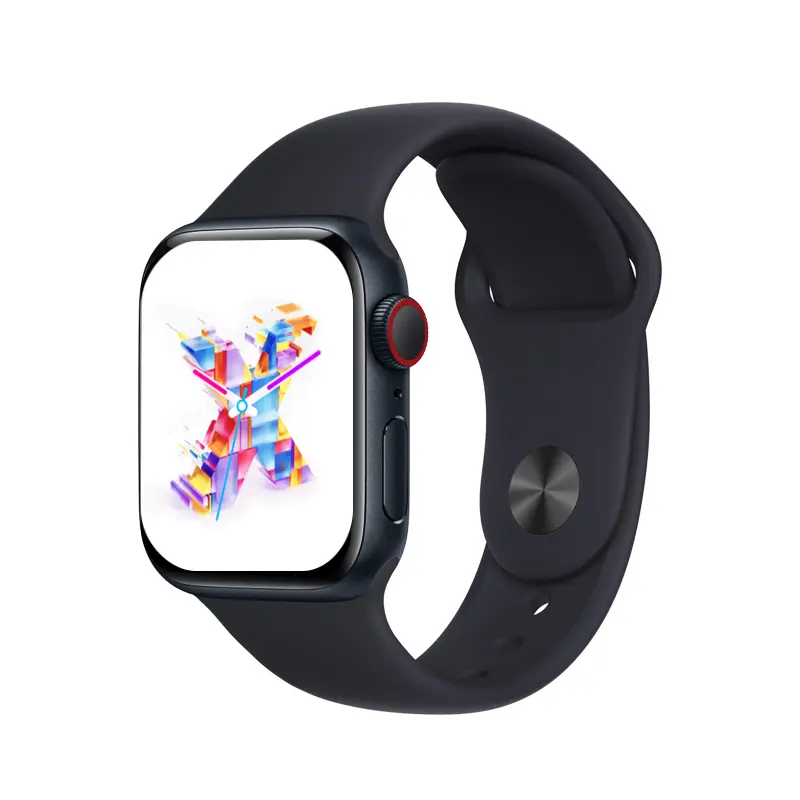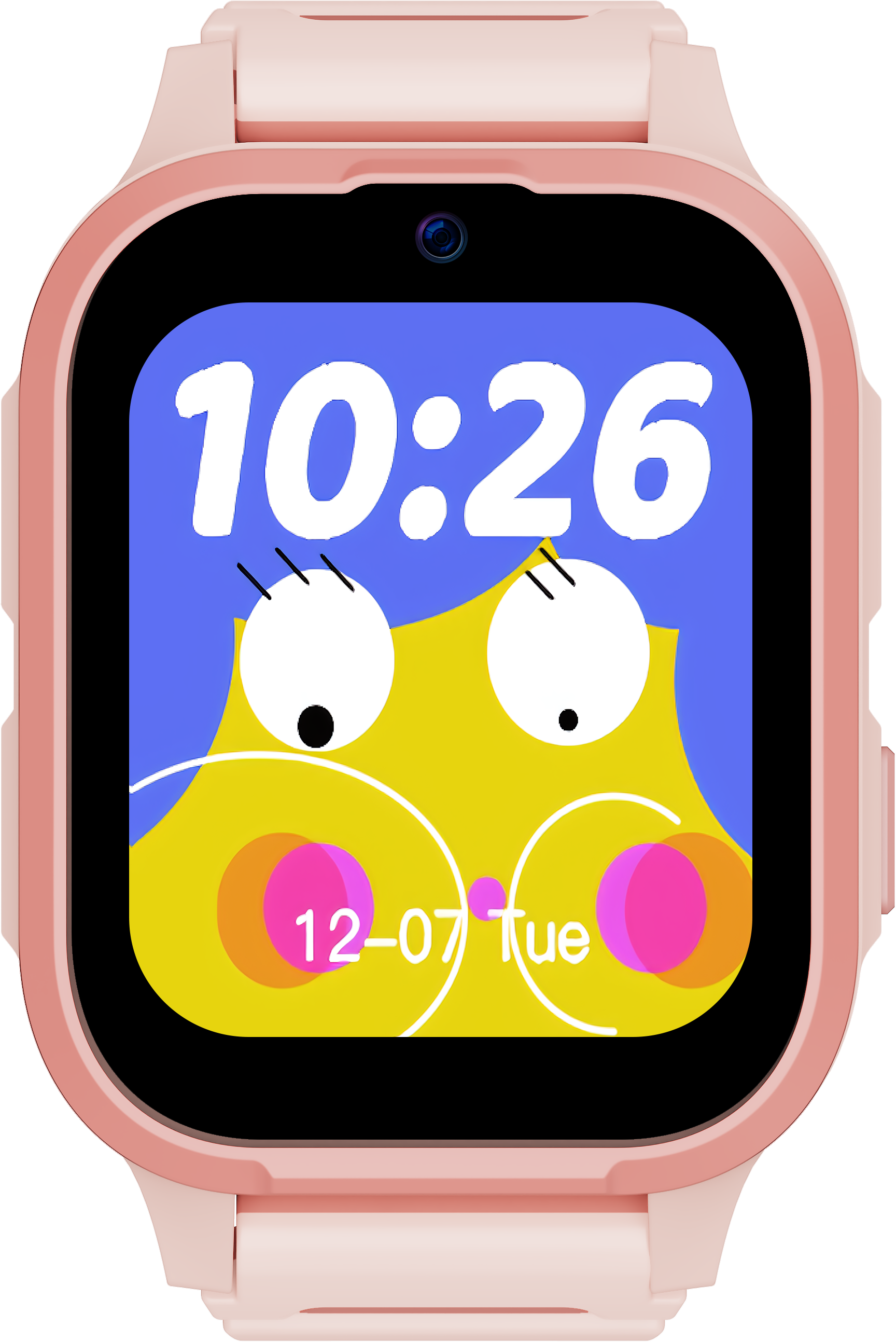
The product is a service, not only a watch
A kids GPS watch depends on the device, SIM or eSIM profile, mobile application, notification service and cloud platform working as one product. A strong hardware sample can still fail commercially if account setup is confusing, location updates are unreliable or the importer cannot explain where children’s data is stored.
Closed-loop communication reduces avoidable exposure
Contact whitelists, guardian approval and automatic rejection of unknown callers should be designed into the core workflow. Buyers should test the complete path for adding, changing and removing guardians, including what happens after a lost phone, recycled number or transferred watch.
Privacy review should reach the SDK level
The app inventory matters. Advertising, analytics, crash-reporting and push-notification SDKs may each transmit identifiers or usage data. The supplier should provide a current SDK list, permission map, retention policy and deletion route for every regional app build.
Video and location need realistic testing
Encryption claims should be verified alongside latency, weak-network behavior and battery impact. Location quality should be tested in streets, schools, indoor transitions and dense urban areas—not only outdoors with a clear sky. Parents also need understandable controls for history, geofences and emergency contacts.
Buyer verification checklist
- Map device, app, server and subcontractor data flows. - Test guardian recovery, contact whitelisting and unknown-call rejection. - Review every third-party SDK and requested permission. - Define server region, retention, deletion and incident responsibilities before launch.