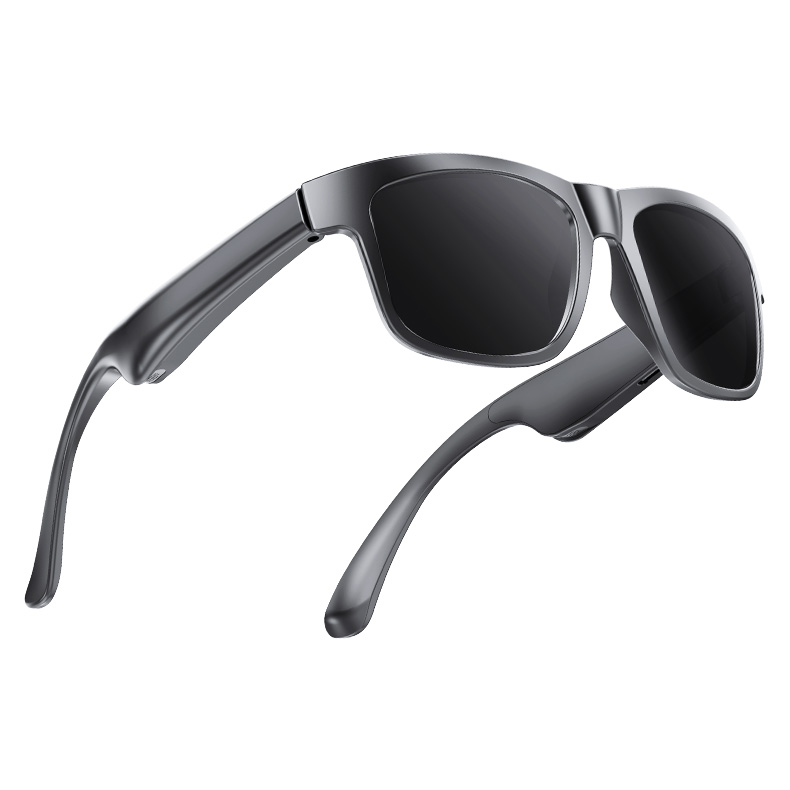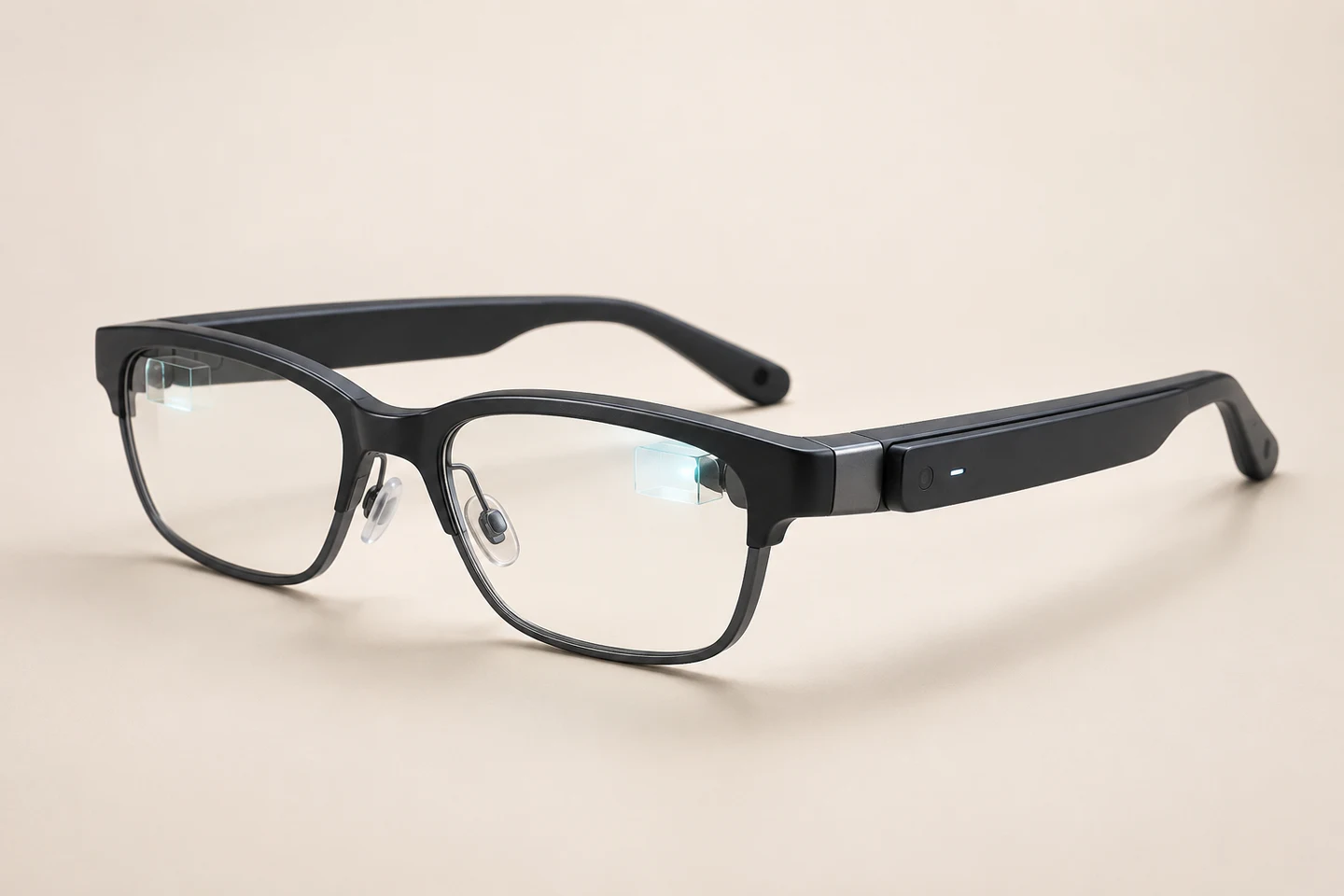
The category now has two credible directions
Samsung and Google gave the first official look at two intelligent-eyewear designs at Google I/O 2026, developed with Gentle Monster and Warby Parker. The products were presented as phone companions with voice access to AI in a familiar frame. At the same time, display glasses are gaining momentum in China. These are not one product class: audio-and-camera assistants optimize for all-day use, while display products must also solve optics, brightness, thermal load and visual comfort.
The interface is moving closer to the user
Glasses can hear the same environment as the wearer, see from a first-person position when a camera is present and deliver information without requiring a phone to be held. That makes translation, navigation, capture and contextual assistance plausible high-frequency tasks. The opportunity is less about putting every phone application on the face and more about removing steps from a small number of valuable moments.
Growth is real, but the routes are diverging
IDC reported 3.566 million global smart-eyewear shipments in the first quarter of 2026, up 130.1% year on year. Within China, demand for basic audio-only glasses softened while lightweight display products helped AR and ER shipments grow. The signal for product teams is clear: a generic “smart glasses” label is no longer enough. The intended interface, camera policy, display architecture and companion-app role must be defined at the start.
What buyers should verify
An evaluation sample should be worn for hours, not minutes. Check weight distribution, temple pressure, heat near the skin, microphone pickup in wind, speaker leakage, camera indicator visibility, prescription-lens options and real battery life under the intended AI workflow. For display products, add outdoor readability, focal comfort and optical alignment. Privacy cues and data controls belong in the commercial specification, not in a later software note.
Sources and further reading
- Samsung Newsroom: Samsung and Google give first look at new intelligent eyewear↗
- IDC: Smart eyewear enters a stage of capability differentiation↗
- CLS: Major companies intensify investment in AI glasses and the supply chain↗
- OFweek: AI-glasses competition accelerates and the field begins to consolidate↗