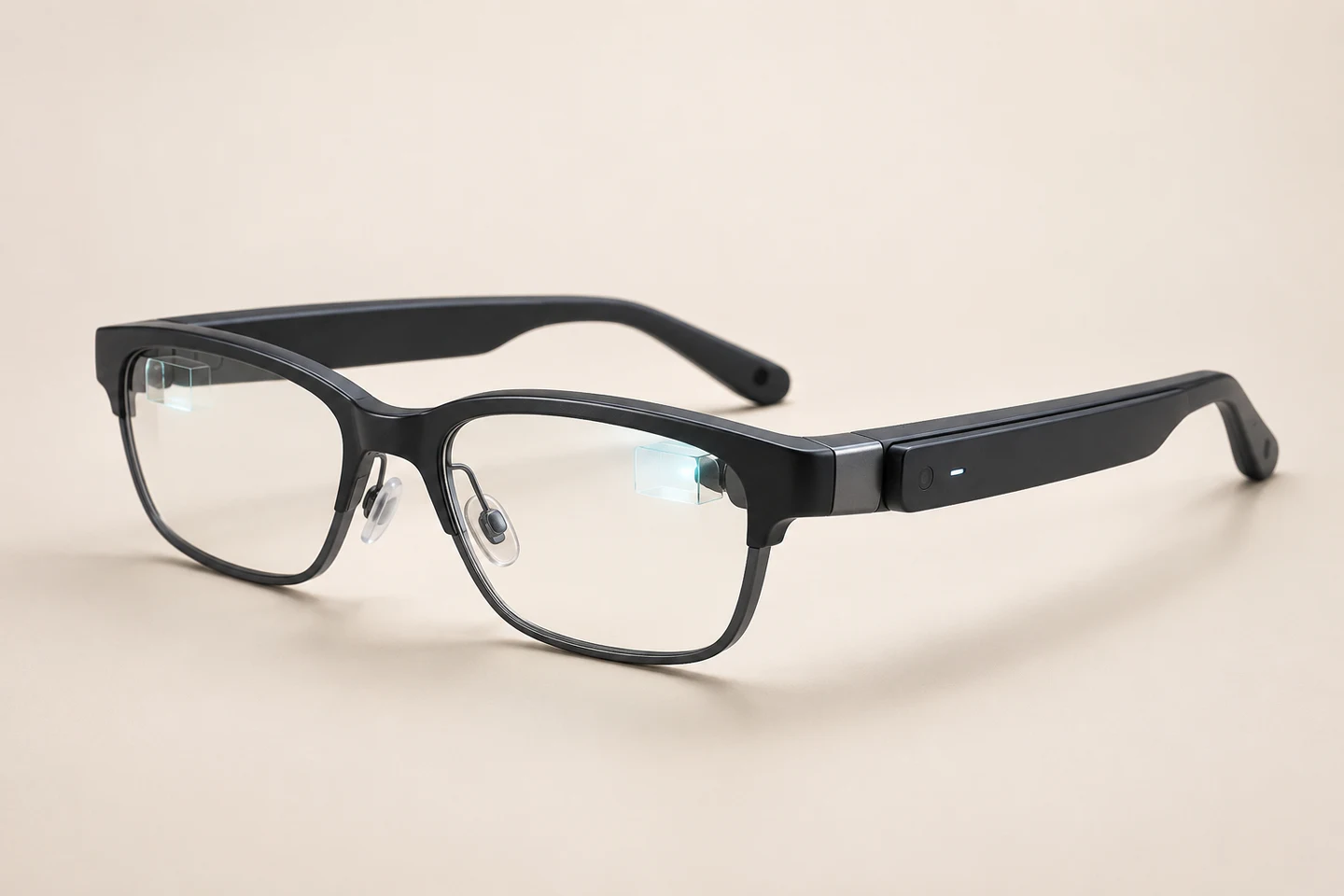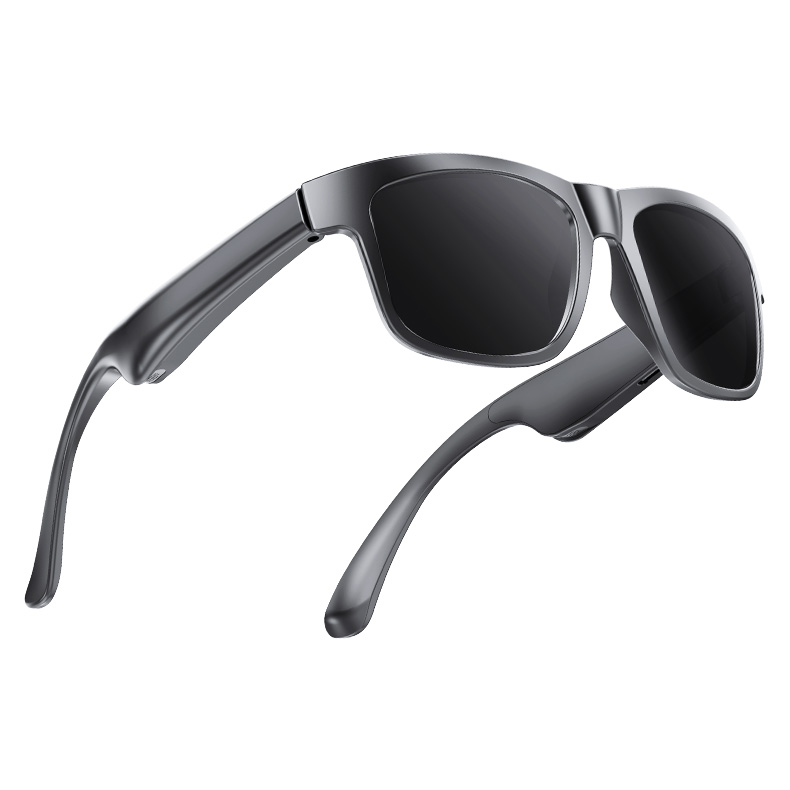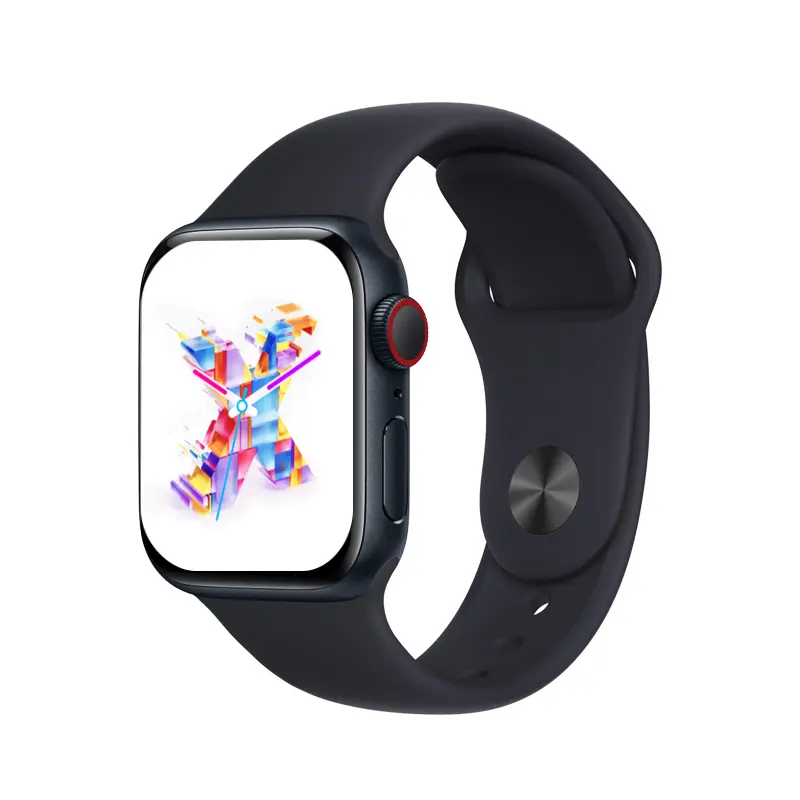
Continuity is the ring’s advantage
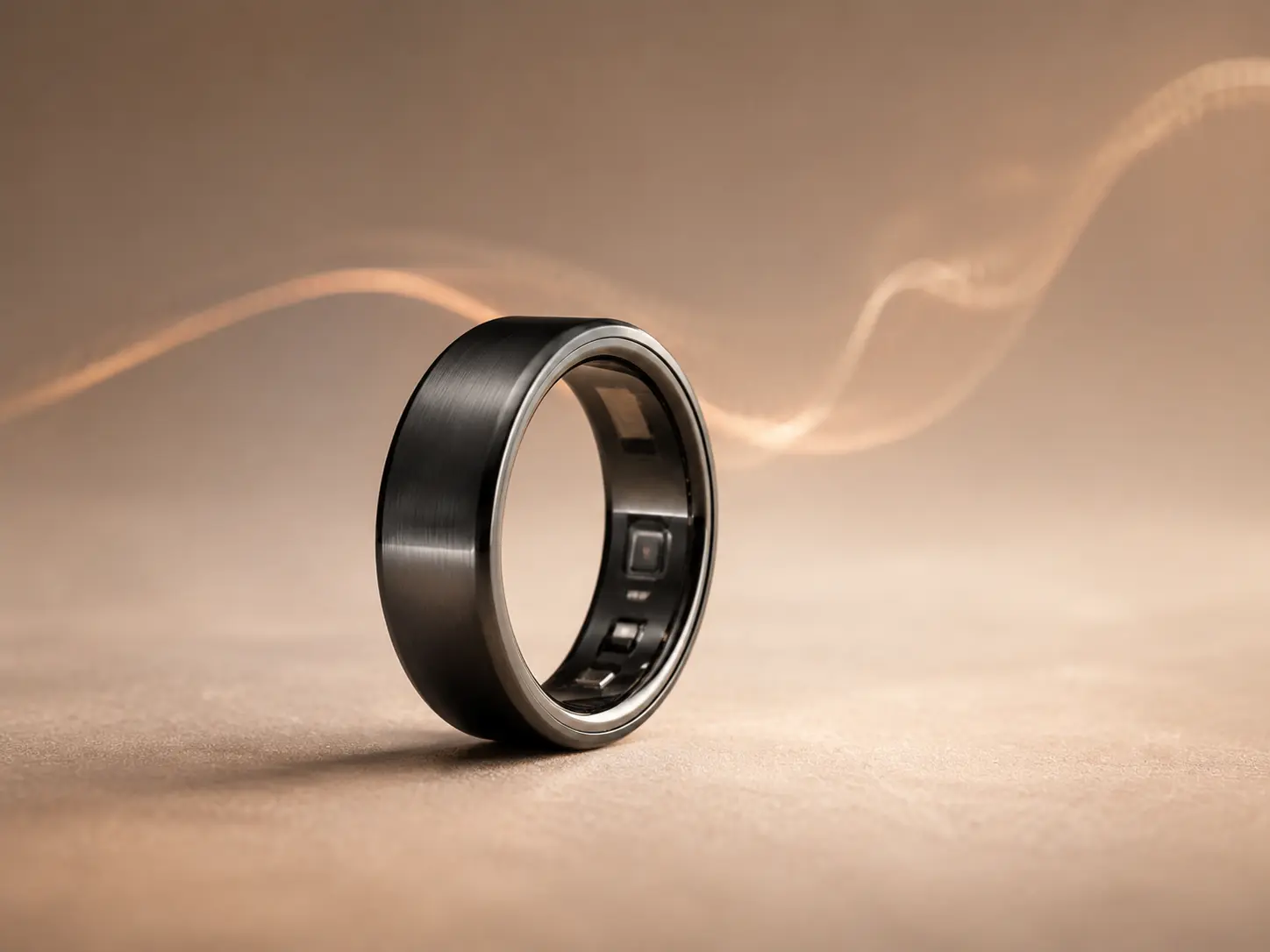
Health interpretation improves when a device sees sleep, recovery and activity as a personal timeline instead of isolated readings. A ring’s small, screen-free form can support overnight and multi-day wear, reducing gaps caused by notification fatigue or frequent charging.
Hardware is shrinking while software expands
Oura introduced Ring 5 in May 2026 with a body it says is 40% smaller than Ring 4, a width of 6.09 millimeters, thickness of 2.28 millimeters and six-to-nine-day battery range. More important than the size claim is the direction: denser sensing is being paired with software intended to surface longer-term patterns rather than another daily dashboard.
Proactive does not mean diagnostic
New features across the category look for patterns in cardiovascular, respiratory, sleep and activity signals. These can help a user notice change and decide when to seek qualified advice. They should not be marketed as a substitute for clinical diagnosis unless the exact function has the required evidence and regulatory authorization in the destination market.
Data control becomes part of product quality
Continuous sensing creates a valuable longitudinal record. Buyers should review export, deletion, retention, account recovery and regional storage policies alongside sensor accuracy. A platform that cannot explain who can see the data and how it can be removed is incomplete, however polished the hardware may be.