The impossible triangle is a system problem
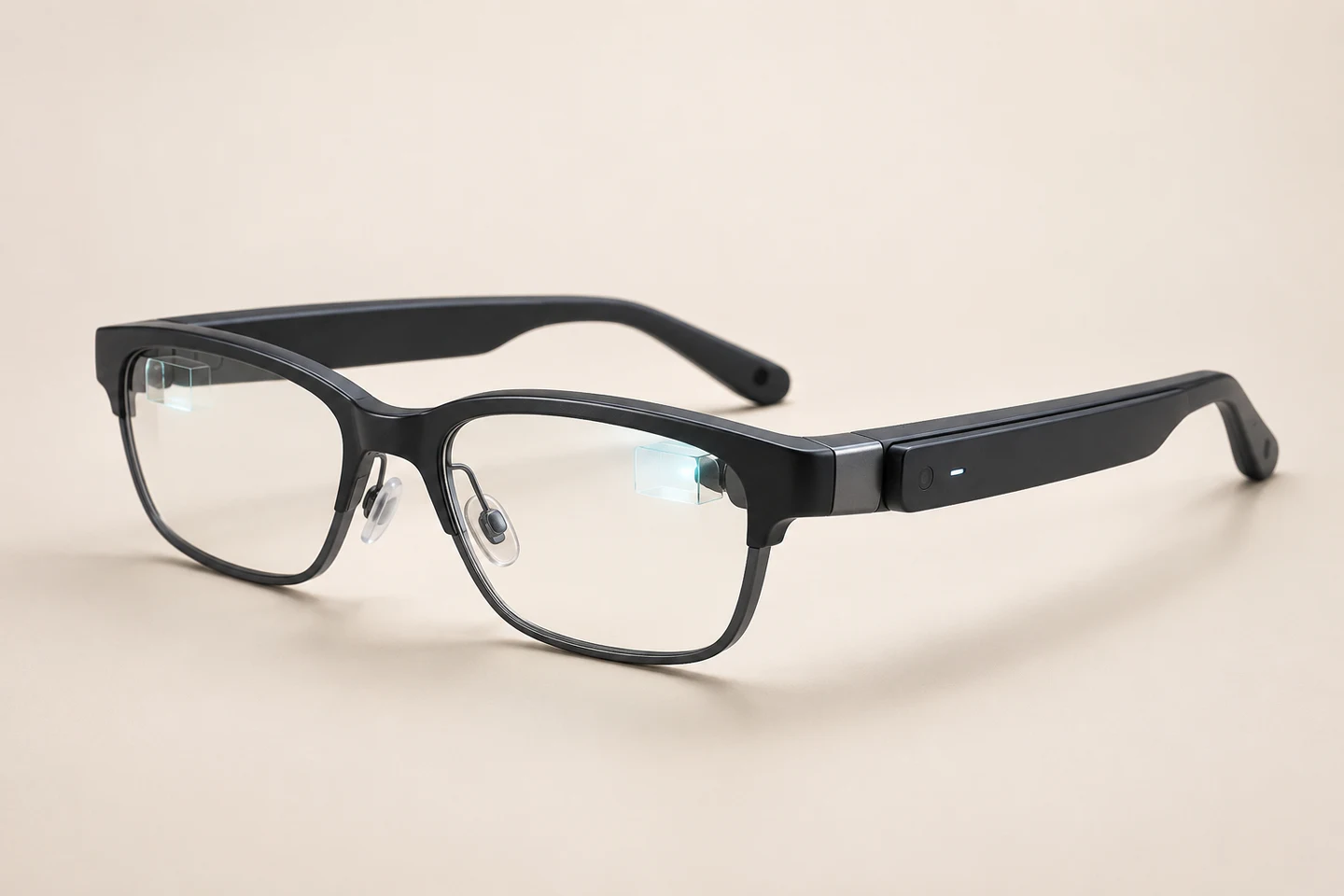
Every increase in local compute adds power draw and heat; every larger battery adds mass; every camera or display changes the frame geometry. The result is a three-way constraint between an acceptable all-day form, useful AI performance and credible endurance. Progress comes from balancing the complete system rather than maximizing one specification.
Lightweight is more than a number
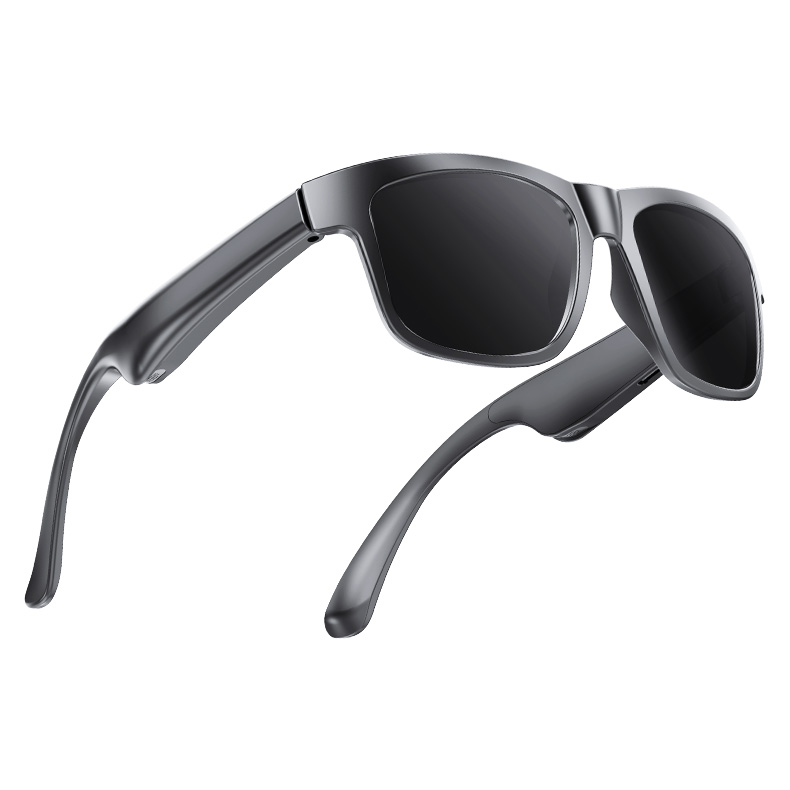
Total grams matter, but center of gravity, temple stiffness, hinge location and nose-pad pressure determine whether the product feels wearable. Industry reporting shows more products moving below 50 grams, yet a lighter frame can still be uncomfortable if battery and camera modules create an uneven load. A long wear test remains more valuable than a catalogue weight alone.
Multi-model software changes the hardware brief
When a product can route tasks between on-device models, a phone and the cloud, it does not need maximum compute for every request. That can reduce thermal and battery pressure, but it creates new requirements for latency, offline behavior, network failure and privacy. Acoustic, imaging and AI teams therefore need one test plan rather than three disconnected approvals.
A practical validation matrix
Measure standby and active battery separately for calls, continuous capture, translation and display use. Record surface temperature during sustained workloads. Test photo and audio quality in low light, traffic and wind. Finally, verify exactly what happens when the network disappears. The commercial claim should describe the tested workflow, not only the best laboratory state.