Confirm the target network first
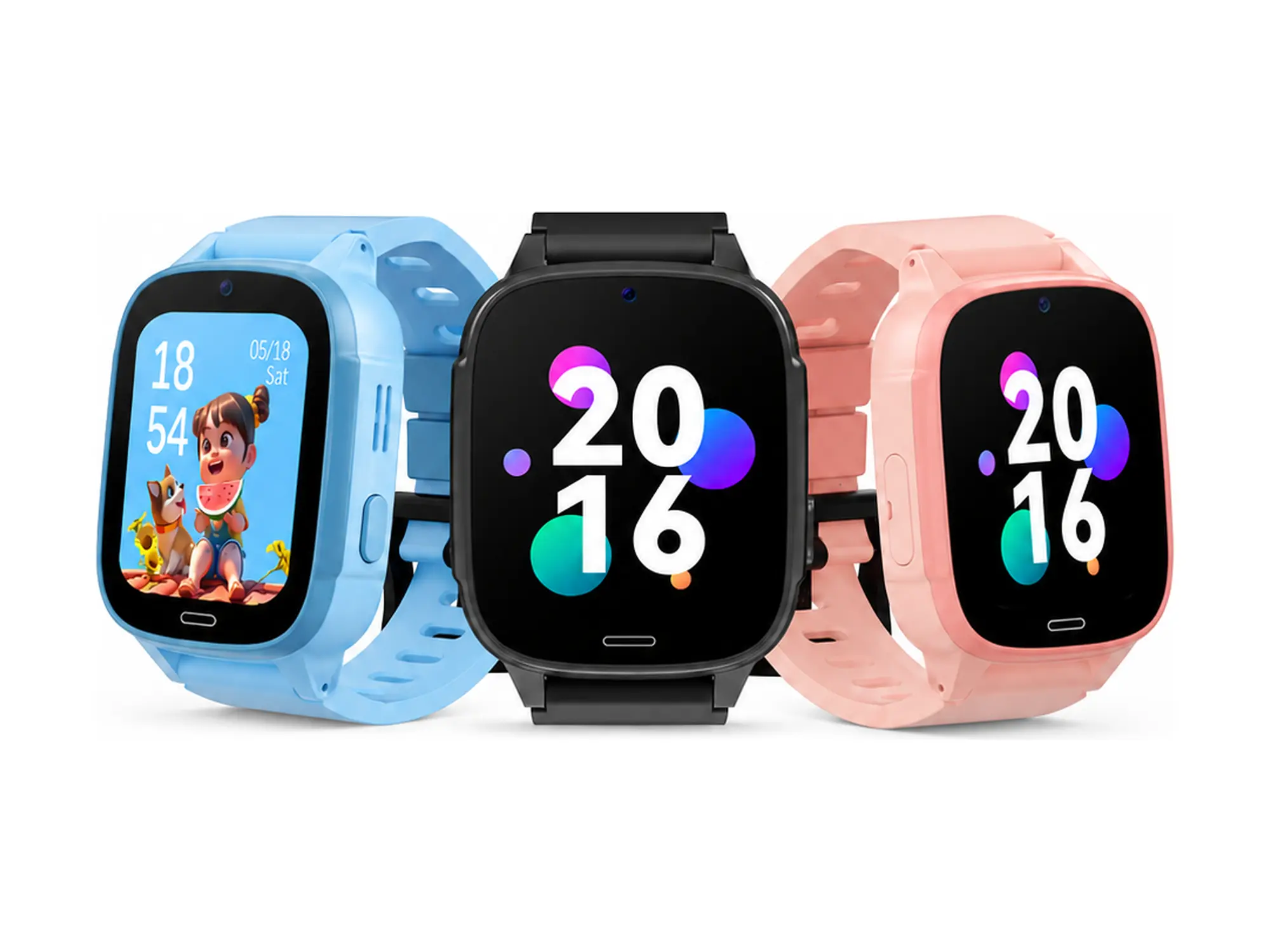
A kids watch is only useful when it supports the bands and SIM format used in the destination market. Confirm 2G, 4G or other network requirements with the operator landscape before selecting hardware. Roaming behaviour and data requirements should also be documented.
Understand positioning as a system
GPS performance depends on antenna design, sky visibility, power management and the way the app combines satellite, Wi-Fi and cellular positioning. Test outdoor acquisition, school-gate pickup and indoor fallback rather than relying on a single laboratory number.
Review guardian controls
Key workflows include adding guardians, approving contacts, configuring safe zones, setting class mode and handling emergency calls. The app should make ownership and permissions understandable, especially when more than one adult manages the device.
Protect data and expectations
Children’s products require careful treatment of accounts, location records, images and voice messages. Buyers should review the platform’s privacy controls and market requirements with qualified advisers. Avoid absolute claims such as “guaranteed safety”; describe the verified functions and their operating conditions.
Test the complete daily routine
A useful sample review follows a full day: charging, wearing, school mode, location checks, a voice or video call, an SOS action and evening battery status. This exposes usability issues that are invisible in a specification table.