The ear offers a different sensing environment
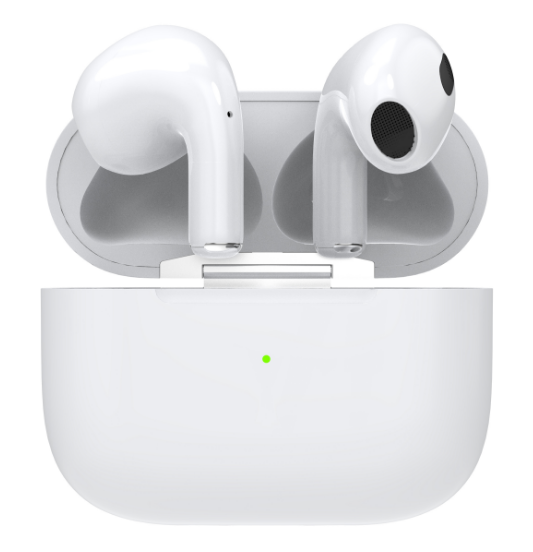
Earbuds can maintain close skin contact and sit near a well-perfused area, creating an opportunity for optical heart-rate and activity sensing. That advantage depends on fit. Ear geometry, tip size, sweat and movement can change both the optical signal and the acoustic seal.
Sensor packaging affects sound and comfort
The LED, photodiode, light barrier and flexible circuit must fit without blocking the acoustic path or creating a pressure point. A design review should therefore combine sensor, mechanical and audio teams. A strong laboratory waveform is not enough if users loosen the earbud because it is uncomfortable.
Motion filtering is the real product test
Running, cycling and gym use introduce impacts and repeated movement. Algorithms need to distinguish blood-volume changes from motion and poor contact. Evaluation should include different ear shapes, skin conditions, exercise intensities and left/right wearing behavior, with clear handling of low-confidence readings.
Bluetooth and battery budgets become more complex
Continuous sensing adds processor work and radio traffic while the product still has to deliver stable audio and calls. Buyers should measure earbud and case endurance under the intended sensing interval, synchronization mode and codec—not rely on audio-only runtime.
Buyer verification checklist
- Test signal quality and comfort with all supplied ear-tip sizes. - Compare performance across rest, walking and high-motion exercise. - Validate audio, calls, sensing and synchronization at the same time. - Keep wellness language distinct from regulated medical claims.