Policy can accelerate the first purchase
Smart glasses were added to China’s national consumer-goods trade-in program in 2026. Eligible products can receive a subsidy equal to 15% of the selling price, with a ceiling of RMB 500 per item. That matters most in an emerging category because it lowers the cost of trying an unfamiliar interface.
Subsidy does not create product-market fit
Promotions can increase traffic and first-time purchases, but repeat recommendation depends on comfort, understandable functions and reliable after-sales support. Retailers should watch activation, return, repair and thirty-day usage data—not only shipment volume. A product that is impressive for five minutes can still fail as eyewear.
The retail explanation must become simpler
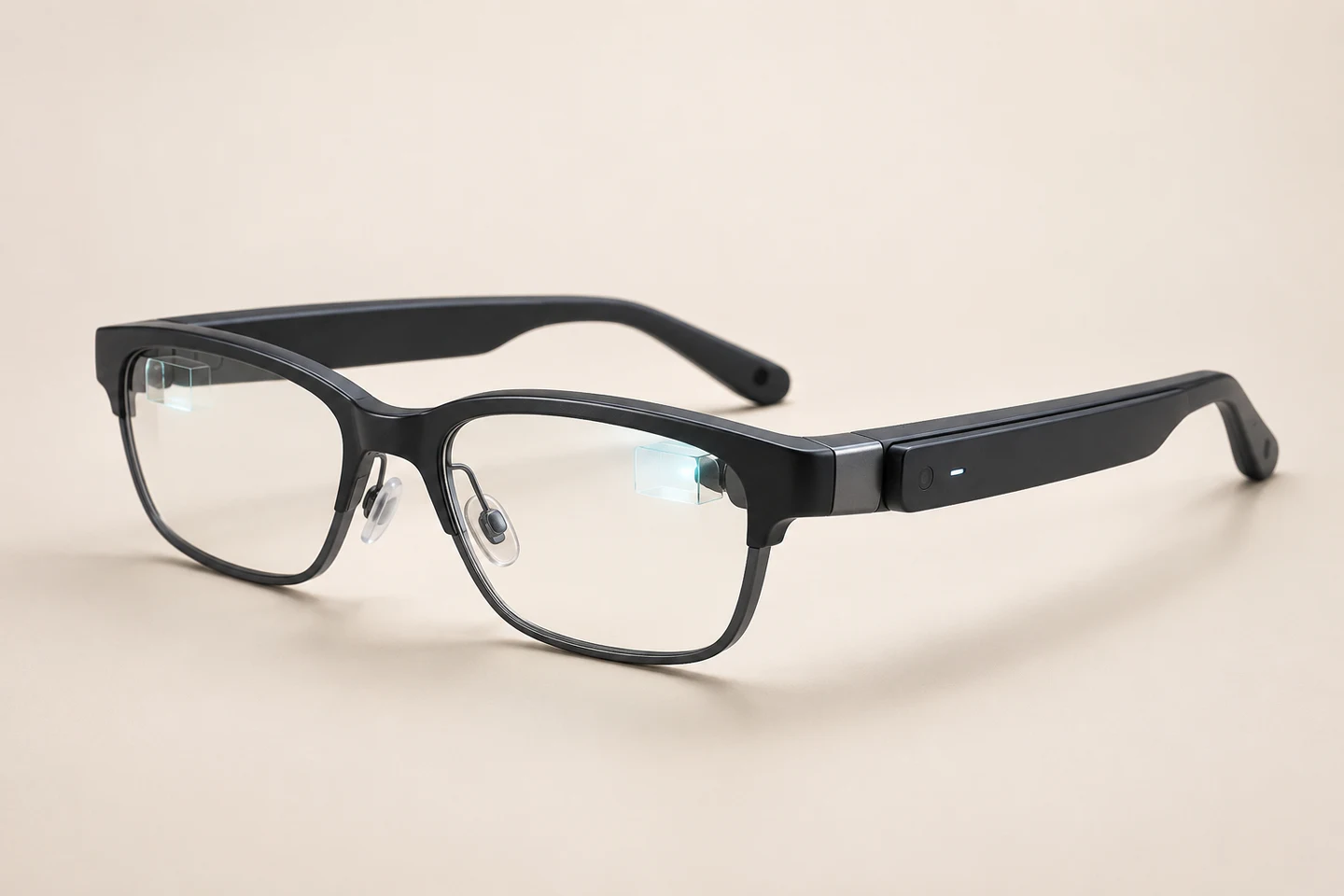
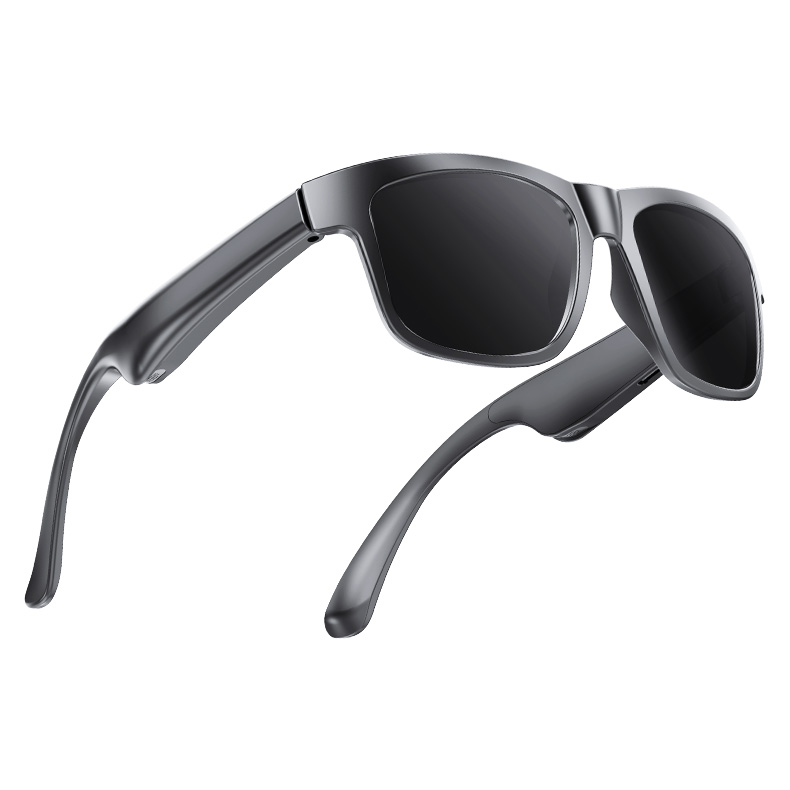
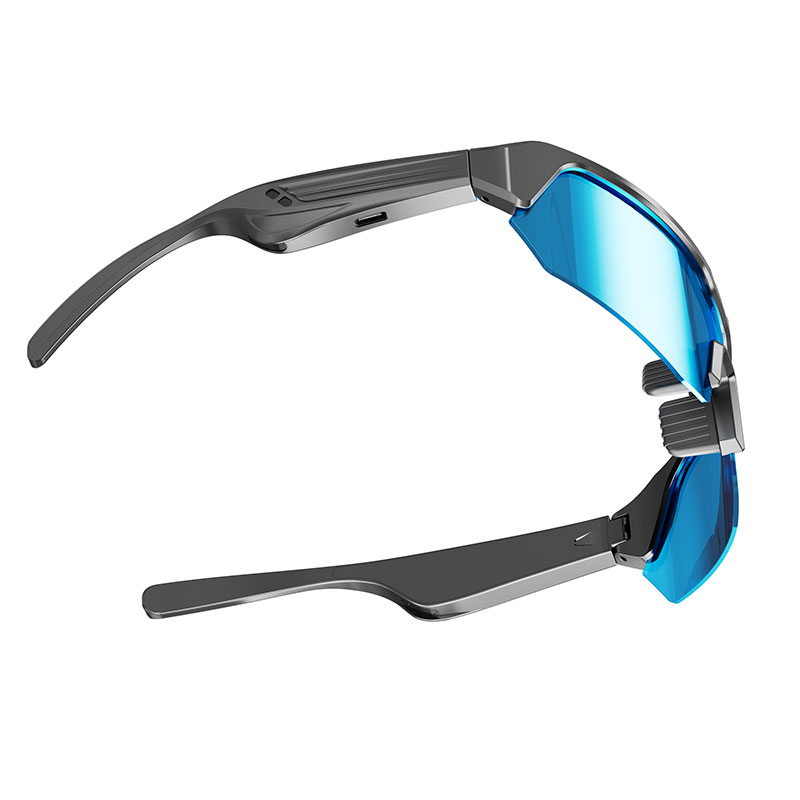
Audio glasses, camera glasses and display glasses need different demonstrations. Sales materials should state what the product does without a phone, what requires an app or network, and how camera and recording indicators behave. Clear boundaries reduce returns and improve trust.
Implications for overseas buyers
The subsidy is a China-market mechanism, not a global demand guarantee. Its broader value is as a large-scale field test: which weights users tolerate, which AI functions persist after the first week and what support issues appear. Overseas programs can learn from those signals while validating local privacy, radio, battery and consumer-protection requirements separately.