Start with the customer, not the product list
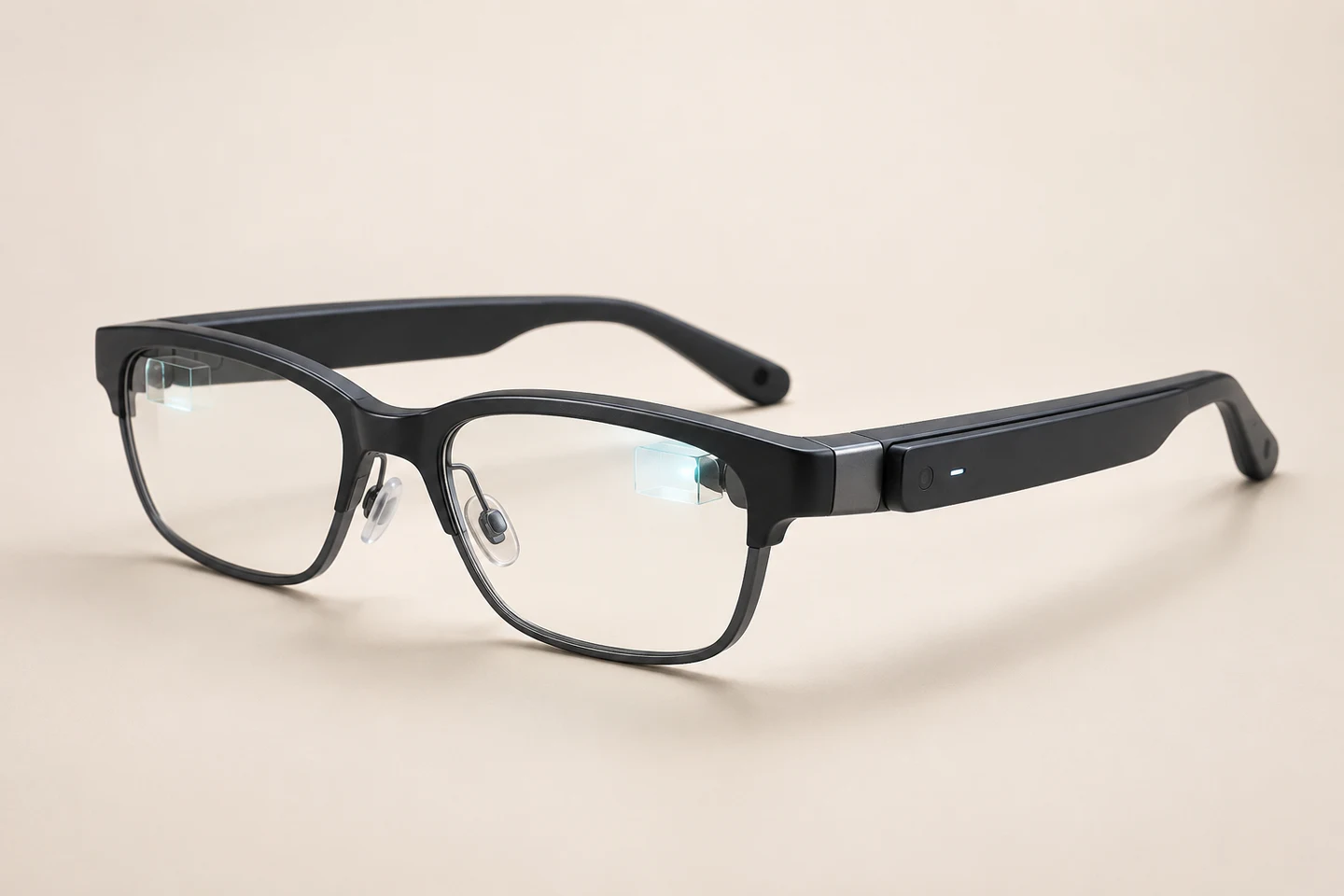
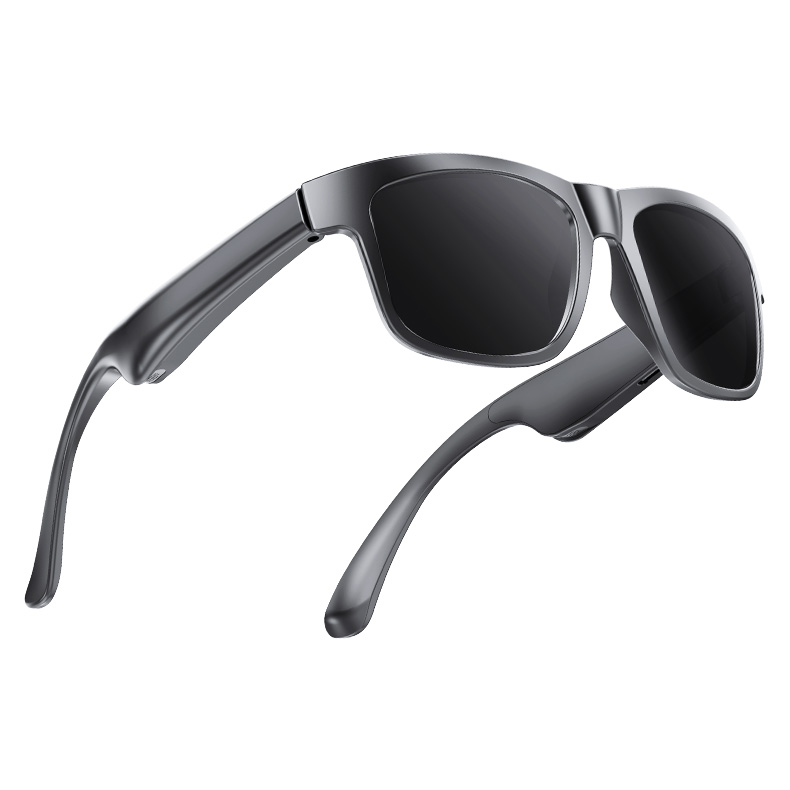
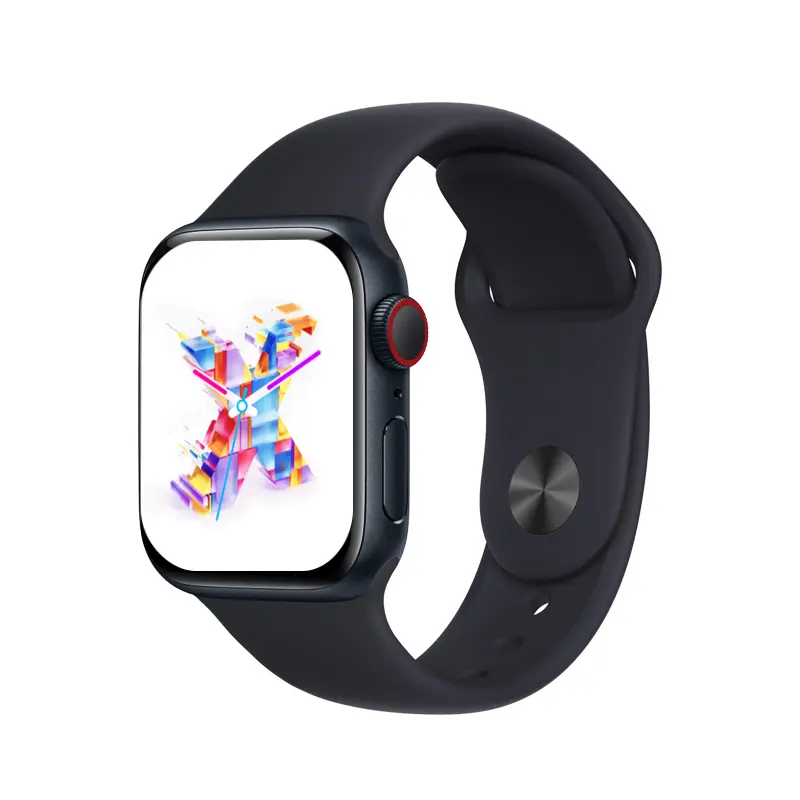
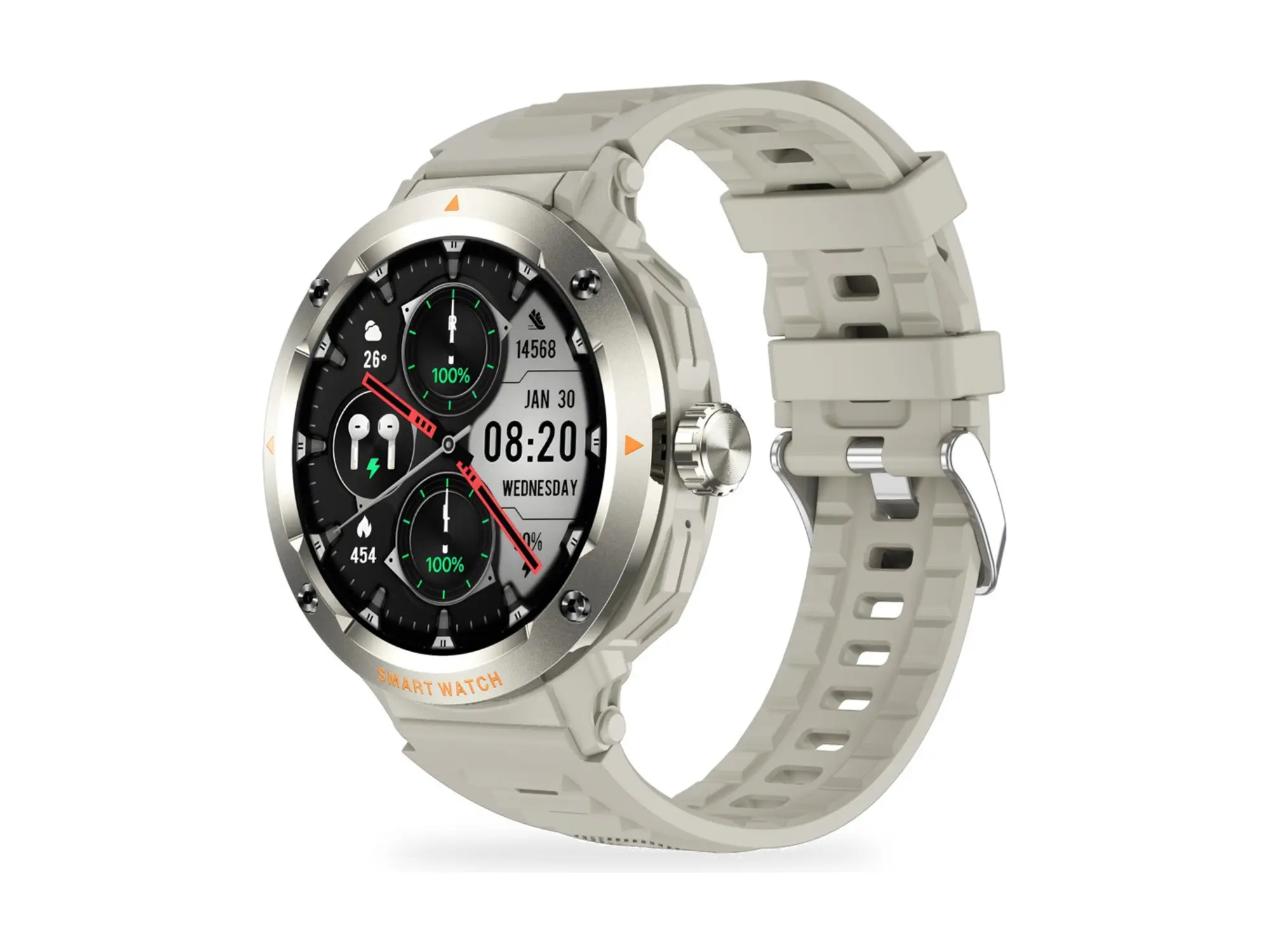
A strong wearable program begins with a clear buyer profile, retail price band and usage scenario. A youth-oriented range may combine a visual smartwatch, colourful TWS earbuds and a compact speaker, while a business range may prioritize understated watches, open-ear audio and smart glasses.
Give every series its own decision criteria
Smartwatches are usually evaluated through display, sensors, application compatibility, battery and enclosure. Audio products need Bluetooth version, wearing format, call performance, playback and case capacity. Smart glasses introduce camera, audio, assistant and privacy considerations. Keeping these parameter groups separate makes comparison more useful and prevents empty or irrelevant fields from reaching the customer.
Build a shared design language
The products do not need identical shapes. Coherence can come from a repeated palette, packaging grid, logo position, naming structure and app onboarding. Define these rules before samples are ordered so the first physical review tests both the individual product and the family as a whole.
Validate before scaling
Select one lead model per series, confirm the commercial specification, complete drop and battery tests where applicable, and approve packaging on physical samples. Only then expand colours or adjacent models. This staged approach reduces rework and gives sales teams a credible launch story.
Prepare data for every channel
A launch-ready record should include verified images, approved English and Spanish copy, visible specifications, carton information and customization notes. Empty fields should remain hidden rather than filled with placeholders. That same structured record can feed a website, quotation sheet and distributor presentation.